Foam density for cases is one of the most misunderstood aspects of custom foam insert design. Most clients focus on shape and layout — which slots go where — but foam density determines whether your insert actually protects your equipment or just looks like it does. This guide explains how to choose the right foam density for your specific equipment type, without any technical jargon.
Why Foam Density for Cases Matters More Than You Think
Foam density for cases affects three things that determine whether your insert actually protects your equipment: how much impact energy gets absorbed, how long the insert holds its shape under repeated use, and whether heavy equipment compresses the foam permanently over time.
Foam that is too soft will compress permanently under heavy equipment within weeks, creating a loose fit that allows movement during transport — defeating the entire purpose of the insert. Foam density for cases that is too firm transmits vibration directly to the equipment rather than absorbing it, which is equally damaging for sensitive electronics and optics.
The right foam density for cases depends on three factors: the weight of your equipment, how frequently the case is transported, and whether your equipment has surfaces that scratch easily. At Xia Laser, we select foam density for every project based on these three factors — clients do not need to specify density themselves.
Foam Density for Cases: 5 Equipment Types and What They Need
01
Camera Lenses and Cinema Equipment
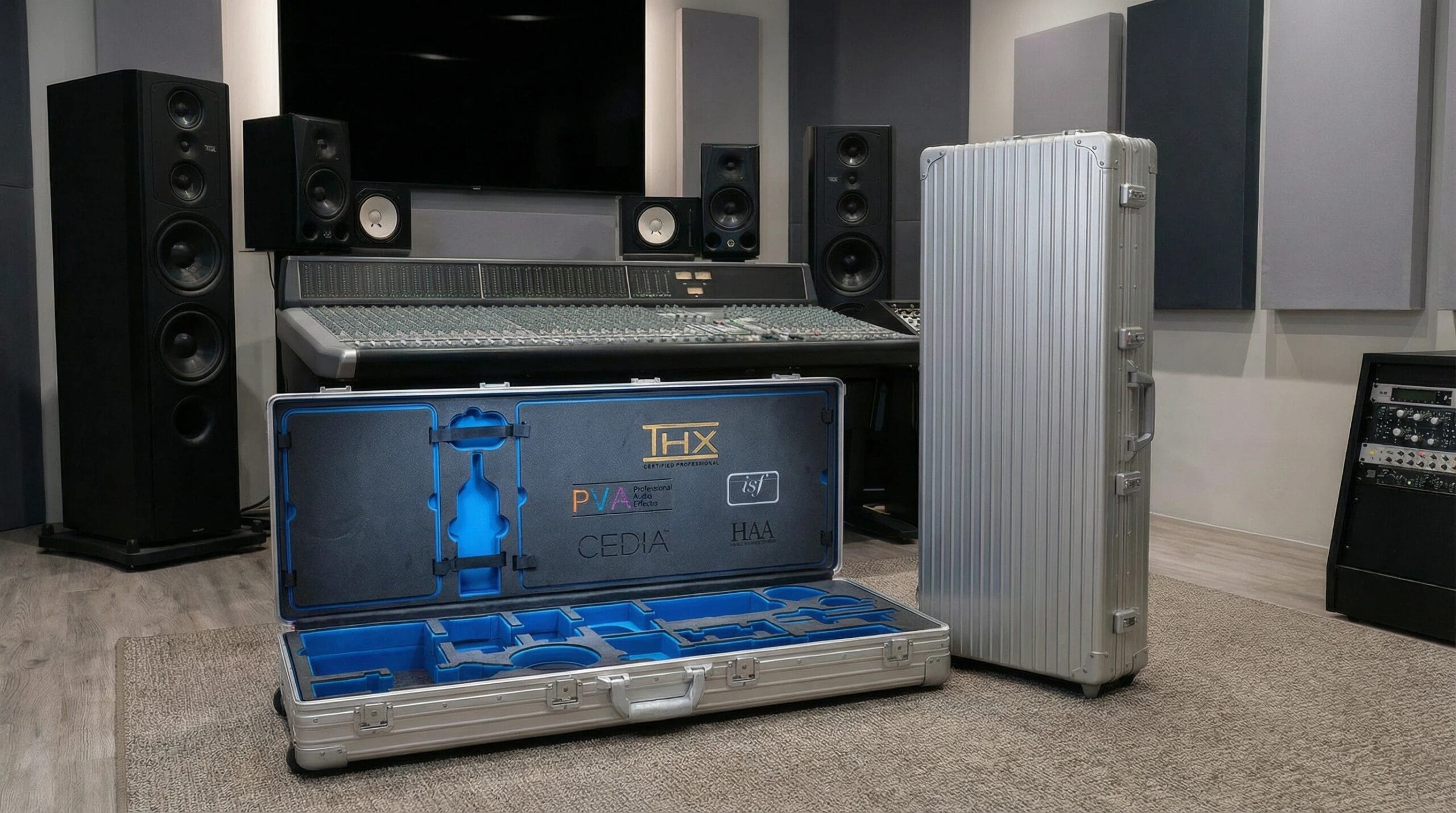
The right foam density for cases holding camera lenses and cinema glass is medium-high density closed-cell EVA. Lenses are heavy relative to their size and have delicate optical coatings that scratch at the slightest contact. Medium-high density foam density for cases holds the lens barrel firmly without any contact pressure on the glass elements, and absorbs the sustained vibration of vehicle transport without compressing over time.
02
Medical Instruments and Diagnostic Equipment
Foam density for cases holding medical instruments requires a layered approach. Heavy instruments like portable ultrasound devices need high-density lower foam for structural support, while the upper contact layer uses medium-density foam to prevent surface scratches. This dual-density approach is standard in our medical equipment foam design — the foam density for cases varies by layer rather than being uniform throughout.
03
Airsoft Rifles and IPSC Competition Gear
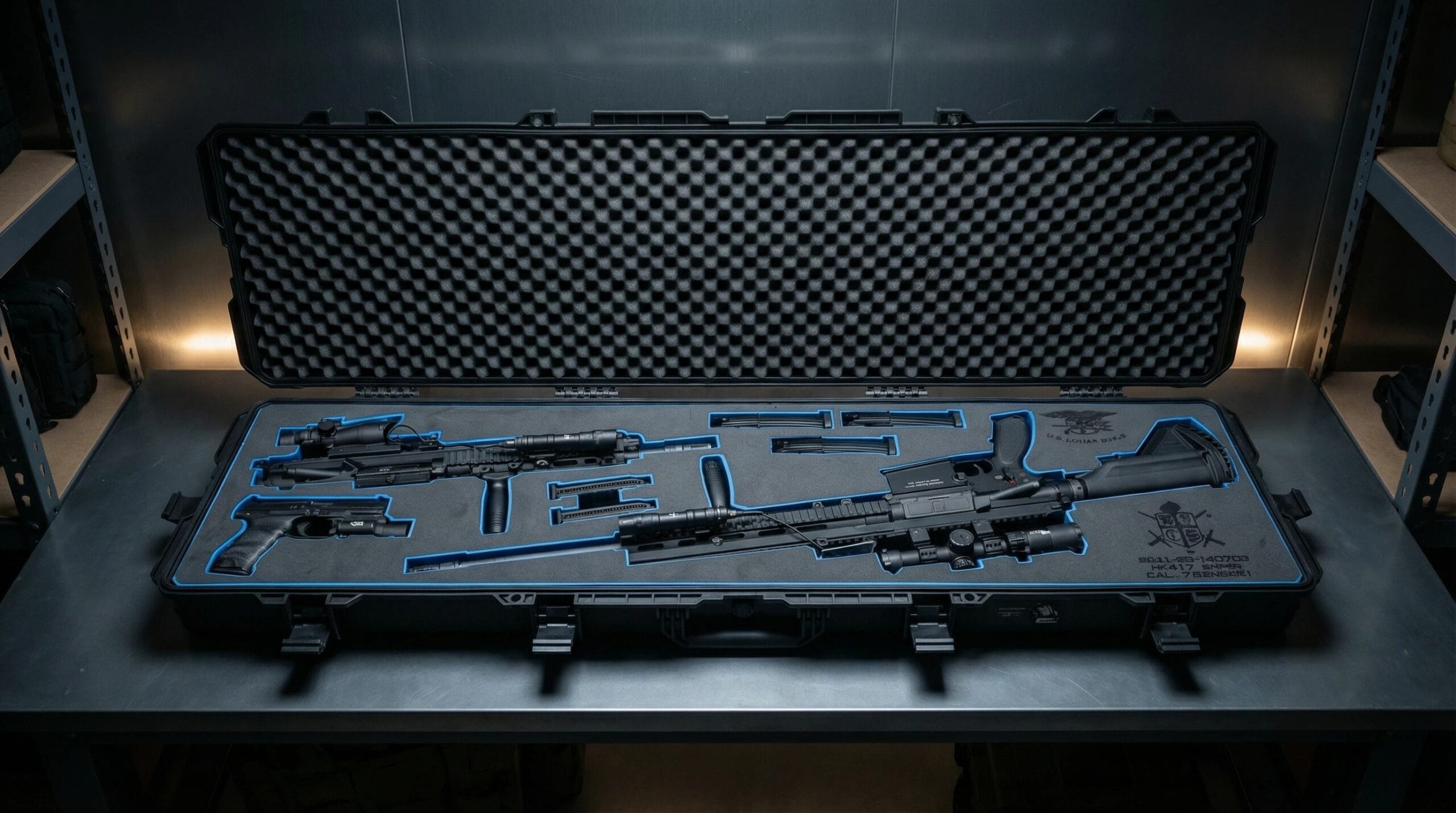
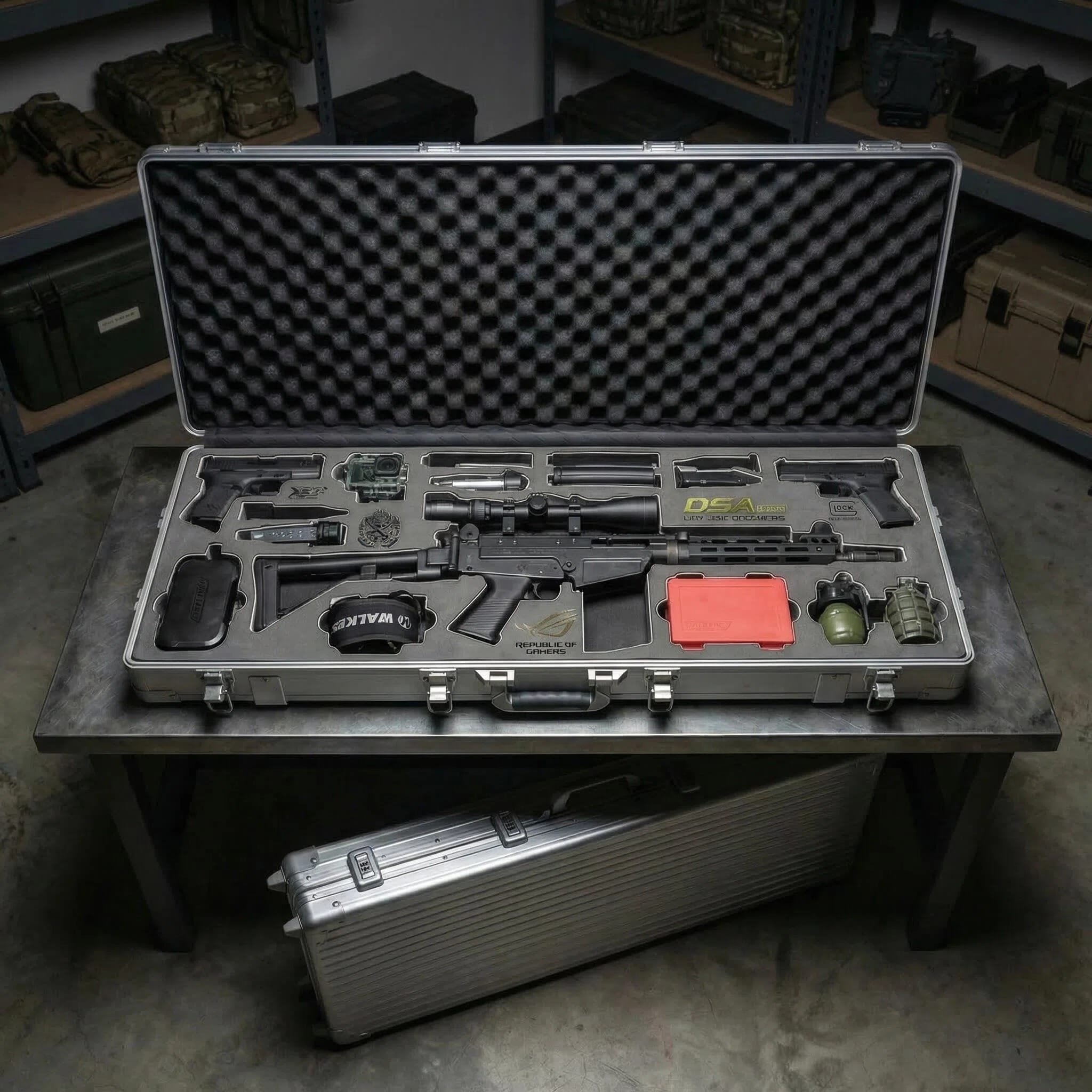
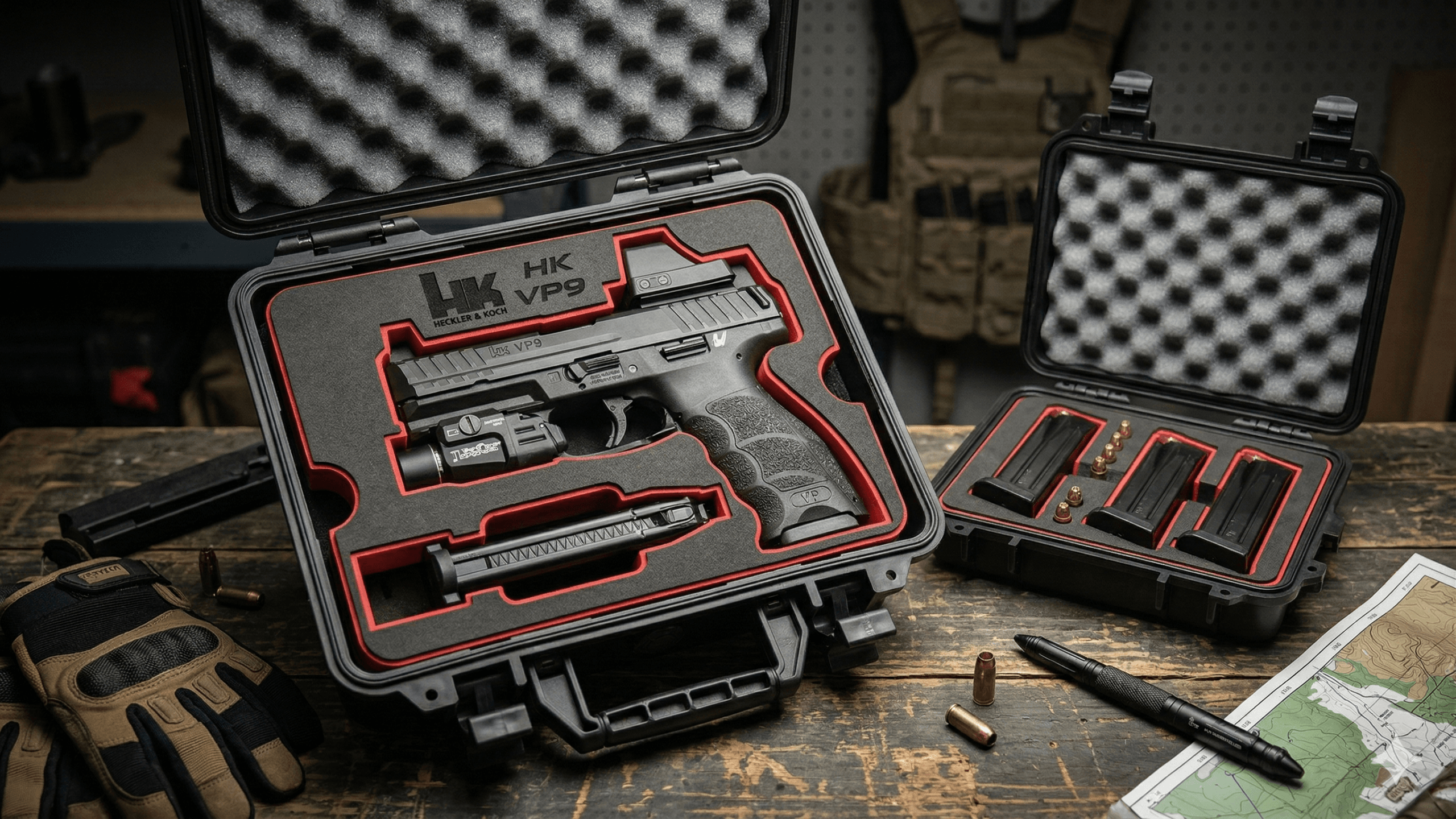
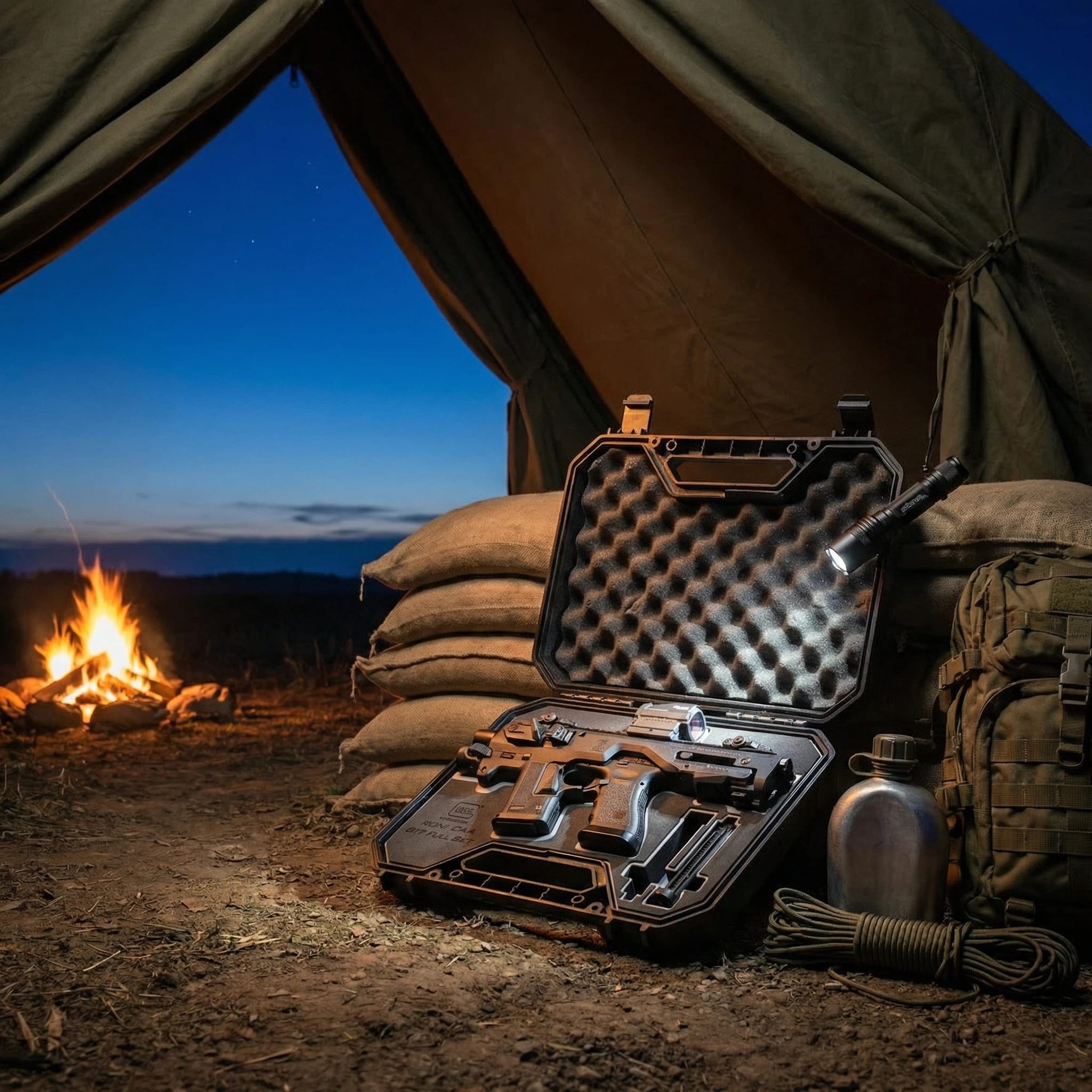
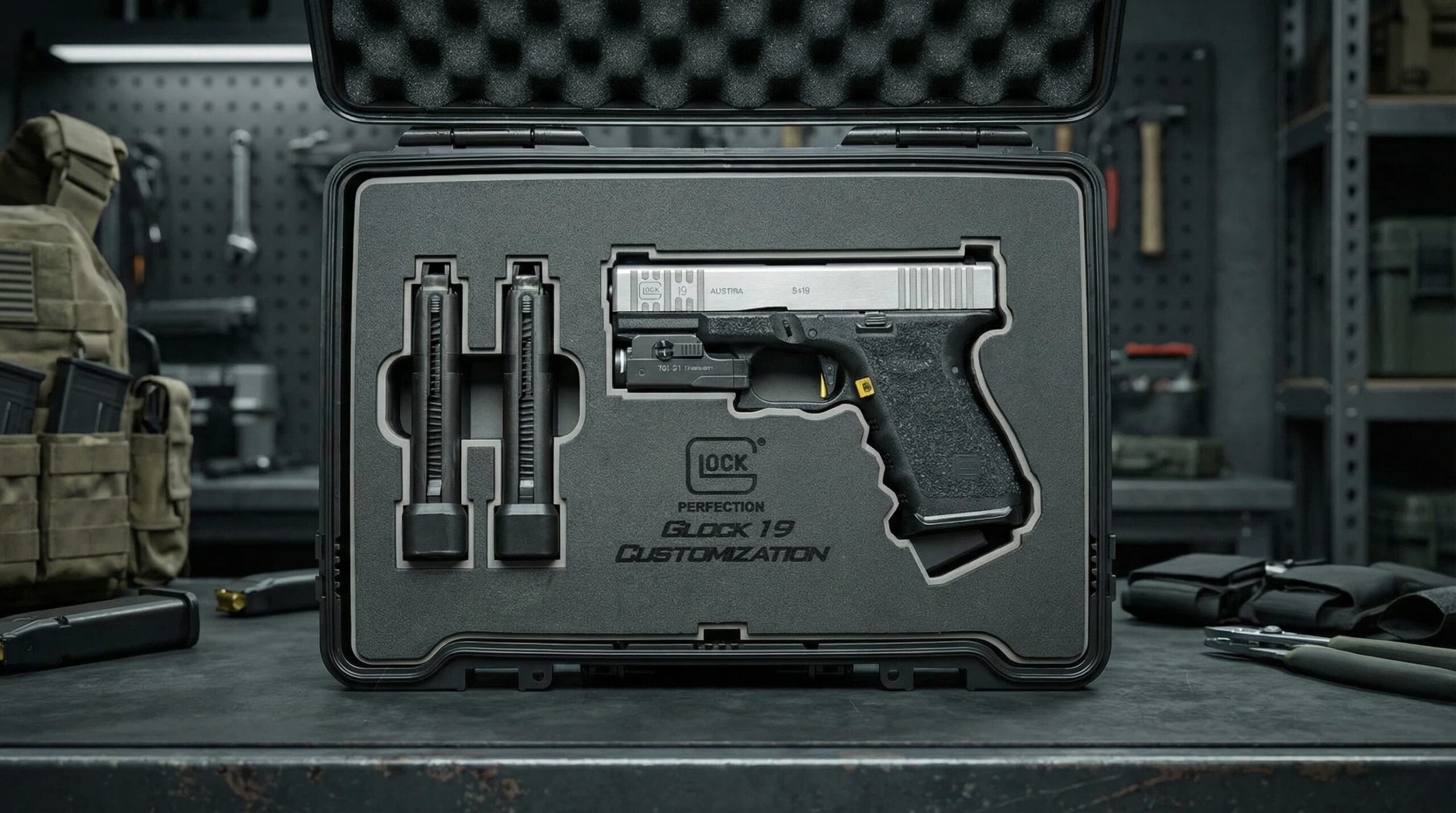
Foam density for cases holding airsoft and IPSC equipment needs to handle significant weight variation — a full-size rifle with optics and a suppressor weighs considerably more than a pistol with spare magazines. We select medium-density foam for rifle cases because it provides sufficient support without creating pressure points on polymer frames and rail systems. The foam density for cases with multiple items also needs to account for the combined weight loading on the lower foam layer.
04
Industrial Tools and Precision Instruments
Foam density for cases in industrial tool management applications — particularly 5S shadow boards — prioritizes high-density foam for dimensional stability. Shadow board cutouts must hold their precise shape over years of daily use, with tools being inserted and removed hundreds of times. Lower density foam compresses at the slot edges over time, losing the tight fit that makes the shadow effect work correctly.
05
Electronics, FPV Drones, and Fragile Items
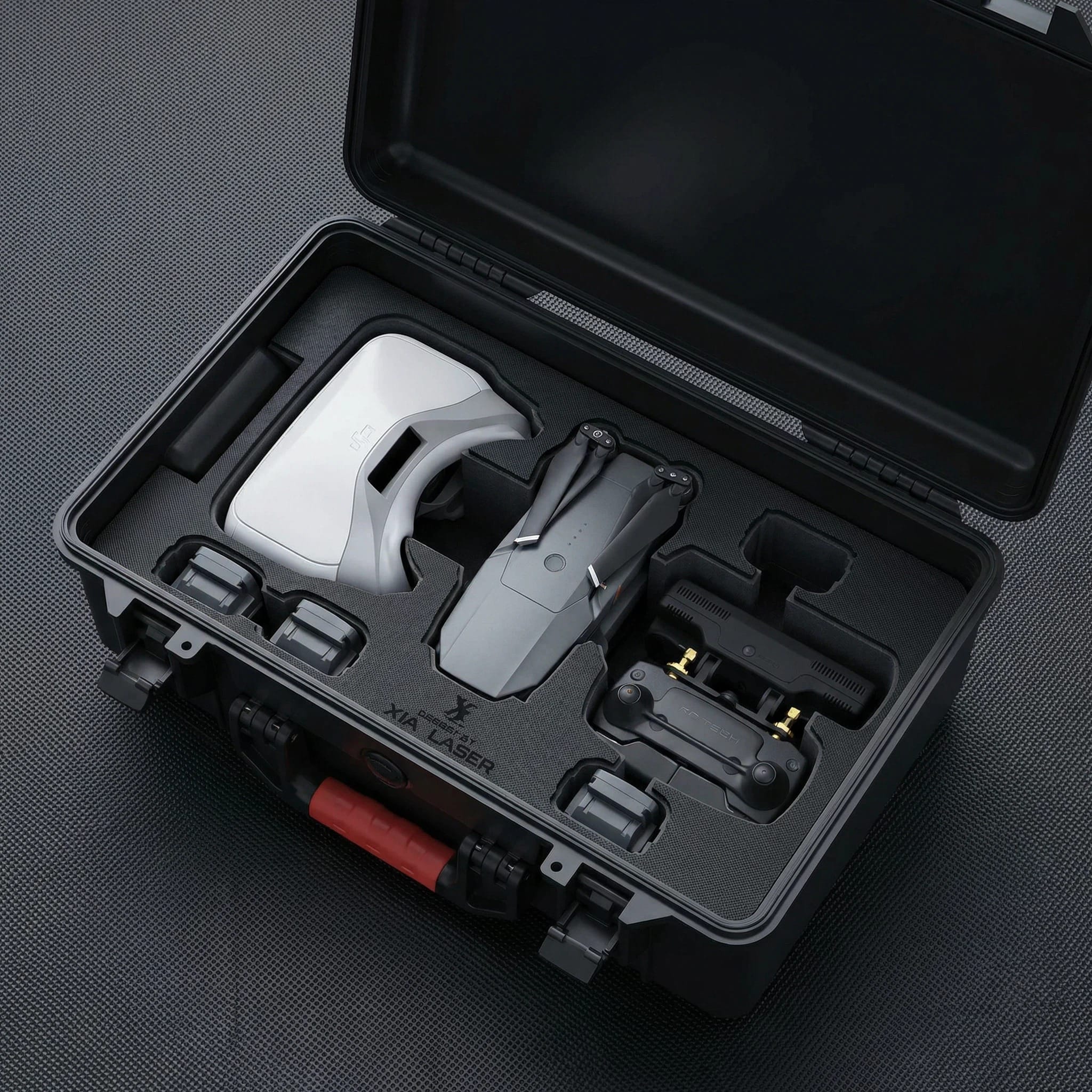
Foam density for cases holding electronics, FPV drones, and fragile display items requires the softest acceptable density that still maintains dimensional stability. Too soft and the foam compresses; too firm and it transmits vibration to circuit boards. For electronics specifically, we also offer anti-static ESD foam options where static discharge could damage components — the foam density for cases with electronics must balance cushioning performance with static dissipation properties.
EVA foam
Quick Reference: Foam Density for Cases by Equipment Type
| Equipment Type |
Recommended Density |
Key Reason |
| Cinema / Camera Lenses |
Medium-High |
Heavy, delicate coatings, frequent transport |
| Medical Instruments |
Dual-Layer (High + Medium) |
Structural support + surface protection |
| Airsoft / IPSC Rifles |
Medium |
Weight variation, polymer frame protection |
| Industrial Tools (5S) |
High |
Daily use, dimensional stability required |
| Electronics / FPV |
Medium-Low (+ ESD option) |
Vibration absorption, static protection |
| Display / Jewelry |
Medium-Low |
Surface finish protection, light weight |
You Don’t Need to Specify Foam Density — We Do It For You
Foam density for cases is one of those decisions that looks technical but is actually straightforward once you know what your equipment needs. The good news is that at Xia Laser, you do not need to specify foam density yourself — we select the correct density based on your equipment type, weight, and use case as part of the standard design process.
What you do need to tell us: what equipment goes in the case, how often you transport it, and whether there are any specific surface sensitivity concerns. Everything else — including foam density for cases, material selection, and layer configuration — is handled by our 13 years of hands-on experience.
For more technical detail on foam materials, see our foam knowledge base. For a full comparison of foam insert options, see our guide on Pick N Pluck foam problems and whether custom foam is worth it.
泡棉密度選擇是客製化泡棉內襯設計中最常被忽視的環節。大多數客戶專注在配置——哪個槽放哪個器材——但密度決定了你的內襯是真的保護器材,還是只是看起來像在保護。這篇文章從使用場景出發,不談技術數據,直接告訴你不同器材應該選什麼密度。
泡棉密度為什麼比你想的更重要
泡棉密度影響三件事:衝擊能量的吸收效率、反覆使用後的形狀維持、以及重型器材長期壓放後會不會永久壓縮。
太軟的泡棉在重型器材下幾週內就會永久壓縮,槽位變鬆,器材在運輸中又開始晃動。太硬的泡棉則把振動直接傳導給器材而不是吸收,對精密電子元件和光學系統同樣有害。
正確的泡棉密度取決於三個因素:器材重量、運輸頻率、以及器材表面是否容易刮傷。在雷射蝦,我們根據這三個因素為每個案件選擇密度,客戶不需要自己指定。
5 種器材類型的密度建議
01
攝影鏡頭與電影攝影器材
攝影鏡頭和電影鏡頭適合使用中高密度閉孔 EVA 泡棉。鏡頭相對尺寸重量不輕,光學鍍膜極易刮傷。中高密度泡棉牢固支撐鏡筒,不對鏡片產生壓力,同時吸收車輛長途運輸的持續振動,長期不壓縮變形。
02
醫療儀器與診斷設備
醫療儀器需要分層密度設計:底層使用高密度泡棉提供結構支撐,上層接觸面使用中密度泡棉防止表面刮傷。這種雙層密度設計是我們醫療器材泡棉的標準做法,密度依層次不同而非全程一致。
03
生存遊戲槍械與 IPSC 競技裝備
生存遊戲和 IPSC 競技裝備的重量差異很大,適合使用中密度泡棉。中密度提供足夠支撐,同時不會對聚合物槍身和導軌系統造成壓力點。多件器材的配置還需要考量底層泡棉承受的合計重量。
04
工業工具與精密量測儀器
工業工具管理——特別是 5S Shadow Board——優先選擇高密度泡棉以確保尺寸穩定性。Shadow Board 槽位需要在每天反覆取放數百次後仍保持精準形狀。低密度泡棉會在槽位邊緣逐漸壓縮,失去讓 Shadow 效果發揮作用的緊密貼合。
05
電子設備、FPV 空拍機與脆弱物品
電子設備和 FPV 空拍機需要在維持尺寸穩定的前提下選用最軟可接受的密度。對電子設備,我們還提供抗靜電 ESD 泡棉選項,避免靜電放電損壞元件——ESD 泡棉的密度選擇需要同時兼顧緩衝性能和靜電消散特性。
快速參考表:各器材類型密度建議
| 器材類型 |
建議密度 |
主要原因 |
| 電影/攝影鏡頭 |
中高密度 |
重量較重,鍍膜脆弱,頻繁運輸 |
| 醫療儀器 |
雙層(高+中) |
結構支撐 + 表面保護 |
| 生存遊戲/IPSC 槍械 |
中密度 |
重量差異大,保護聚合物槍身 |
| 工業工具(5S) |
高密度 |
每日取放,需要尺寸穩定性 |
| 電子設備/FPV |
中低密度(可加 ESD) |
振動吸收,靜電保護 |
| 展示/珠寶 |
中低密度 |
表面保護,重量輕 |
你不需要自己決定密度——我們幫你選
泡棉密度看起來是技術問題,但實際上只要知道器材的需求,決定就很直接。好消息是在雷射蝦,你不需要自己指定密度——我們根據器材類型、重量和使用場景,在標準設計流程中選好一切。
你需要告訴我們的:什麼器材放進箱子、運輸頻率有多高、有沒有特別容易刮傷的表面。其他一切——包括密度選擇、材質和分層配置——都由我們 13 年的實戰經驗處理。
更多技術細節請參考泡棉客製化專業知識。對比格子泡棉與客製化泡棉請看格子泡棉缺點,評估是否值得升級請看客製化泡棉值得嗎。
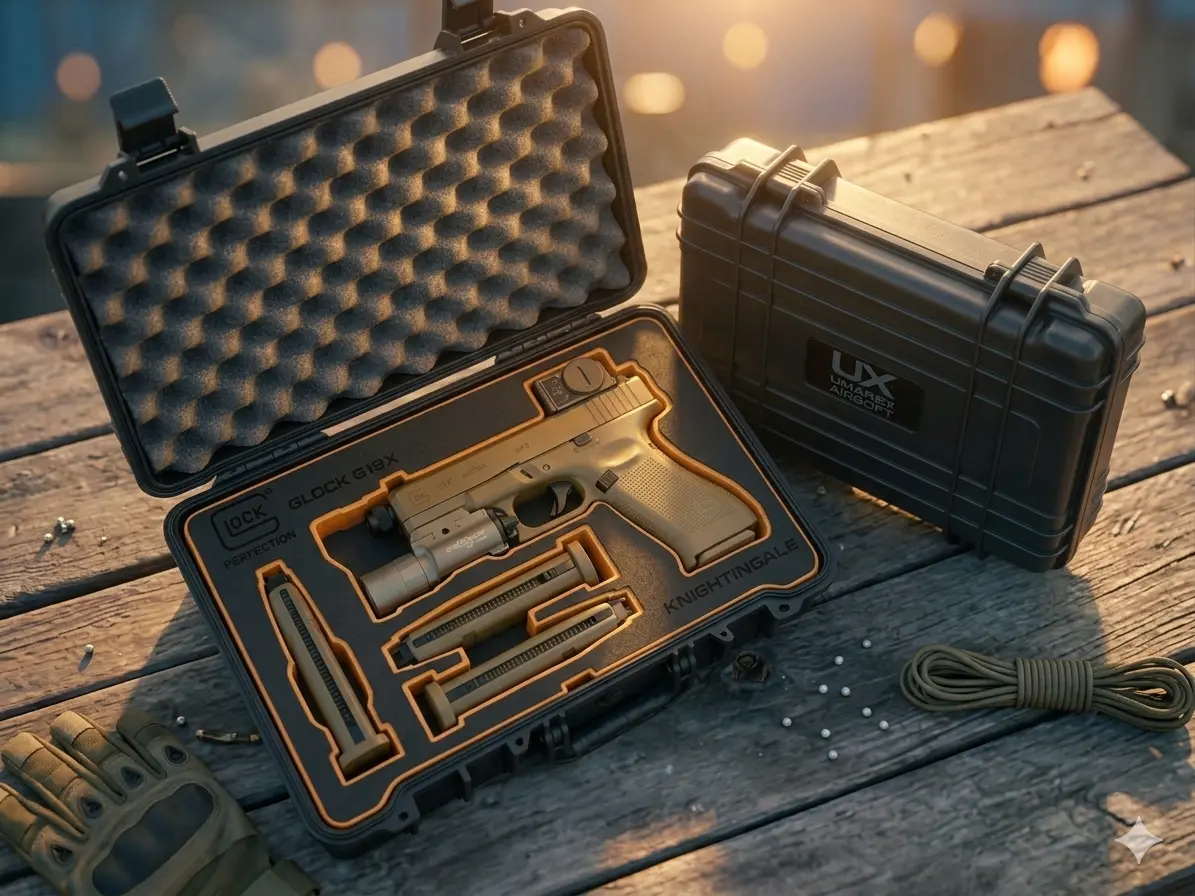
 原廠風格配色: 亮橘色底版完美襯托出 G19X 的硬派線條。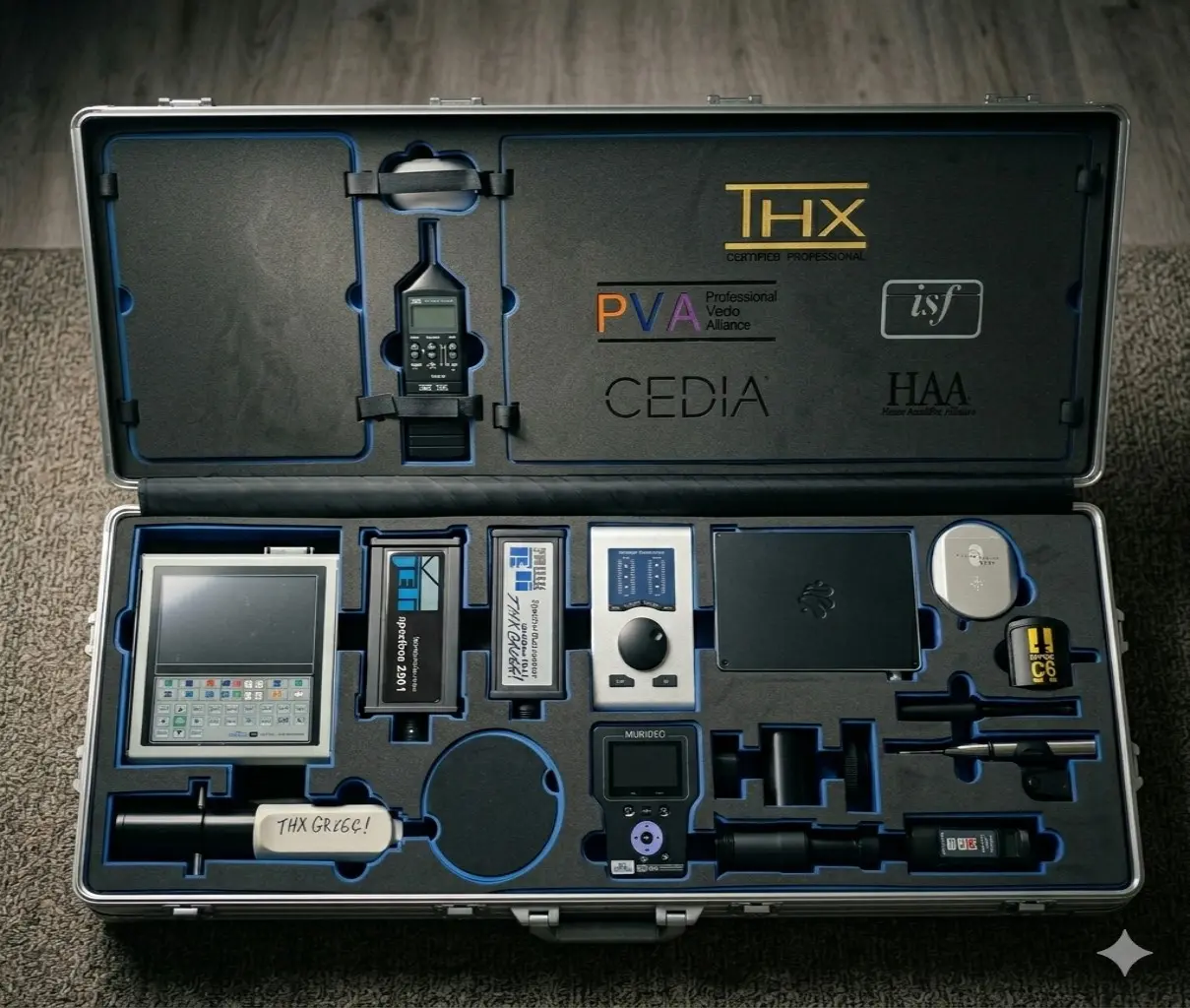
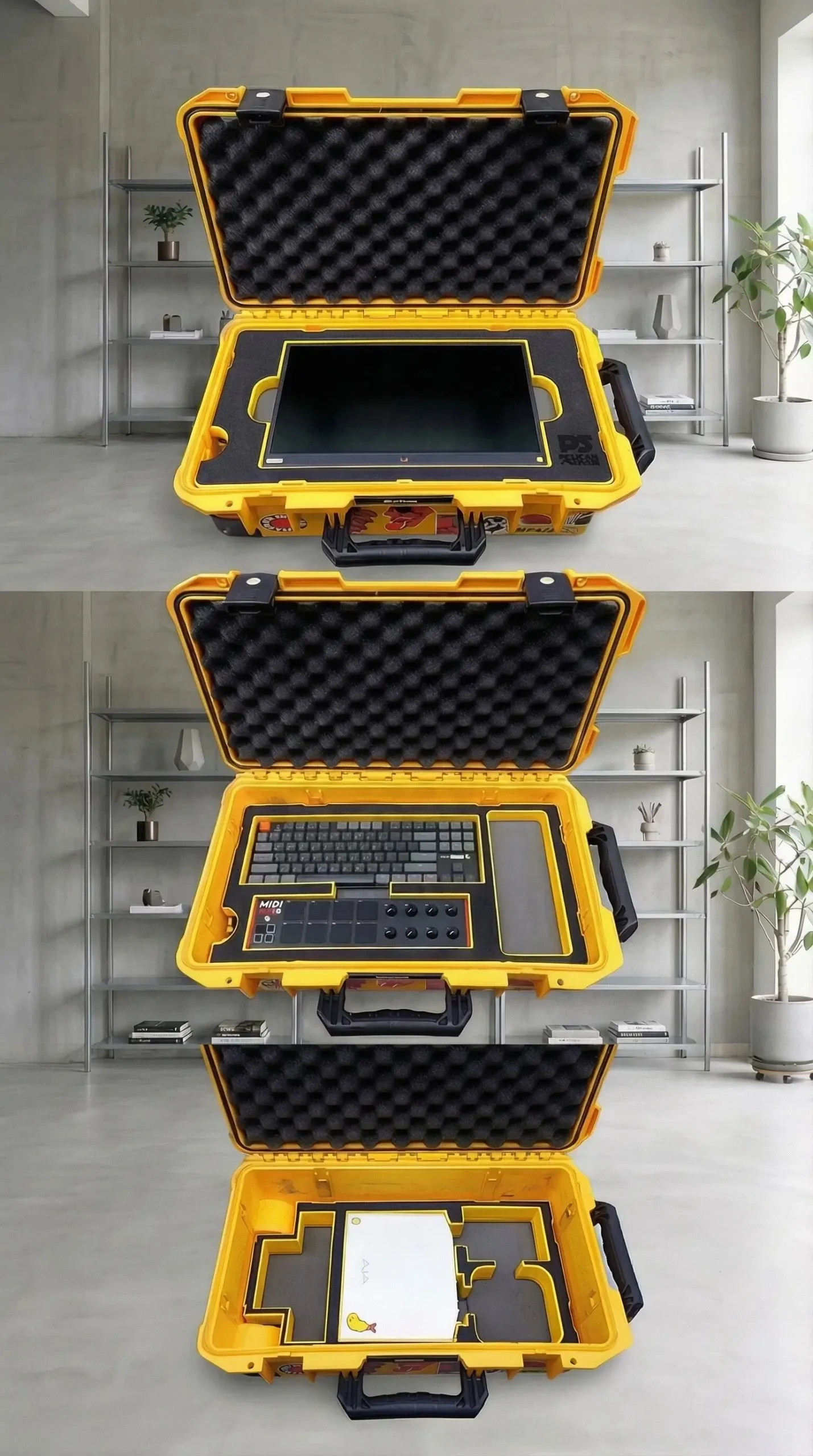

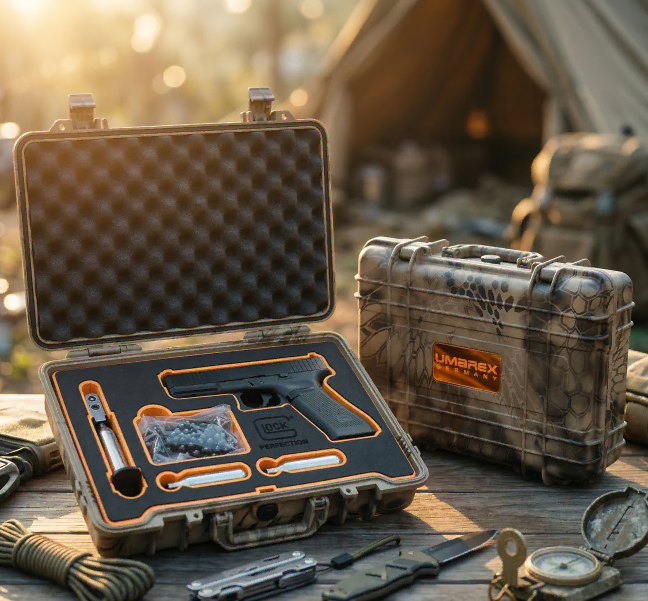
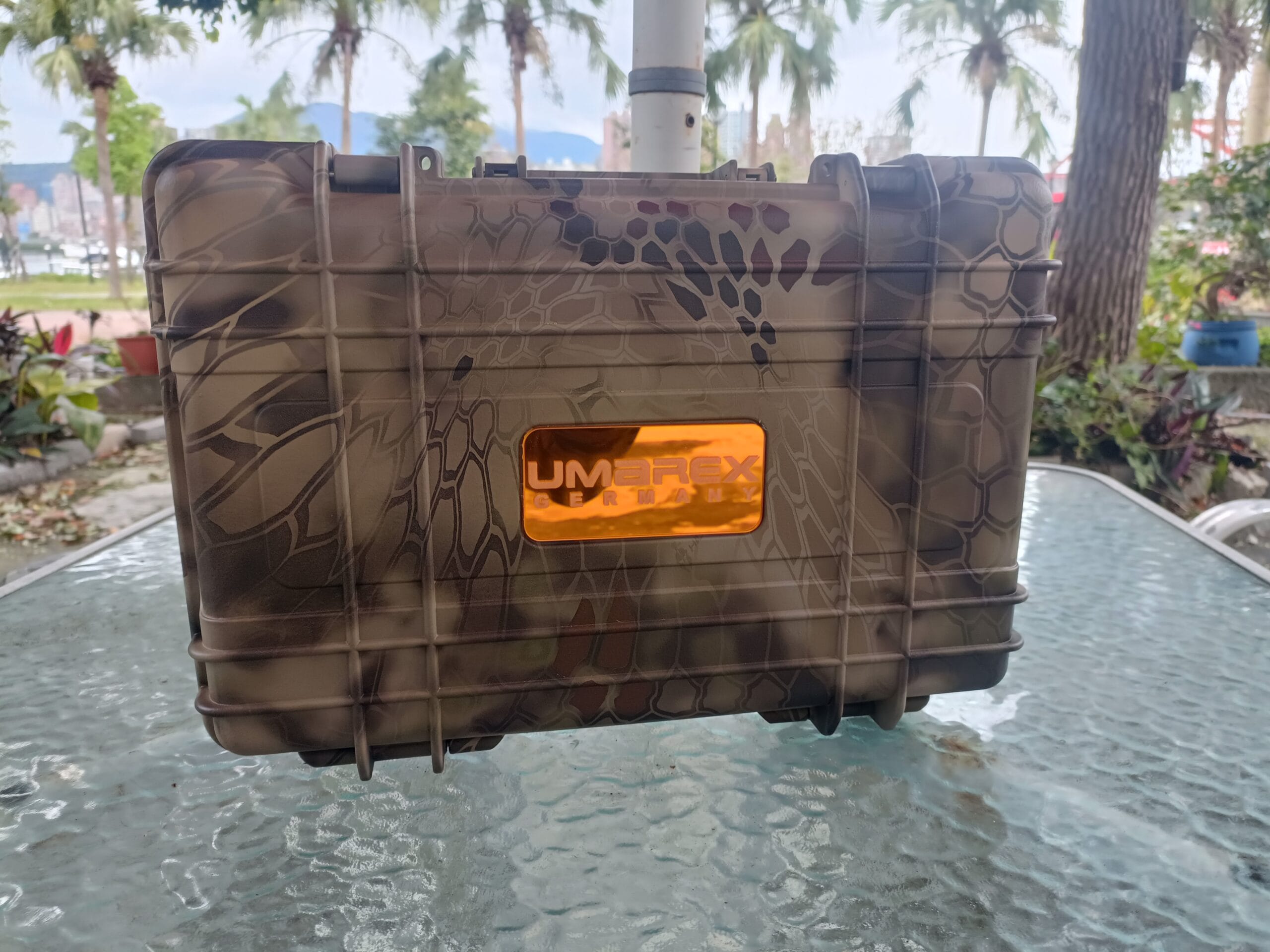
 想要您的裝備也擁有專屬「蛇紋」外盒?
 歡迎私訊
歡迎私訊 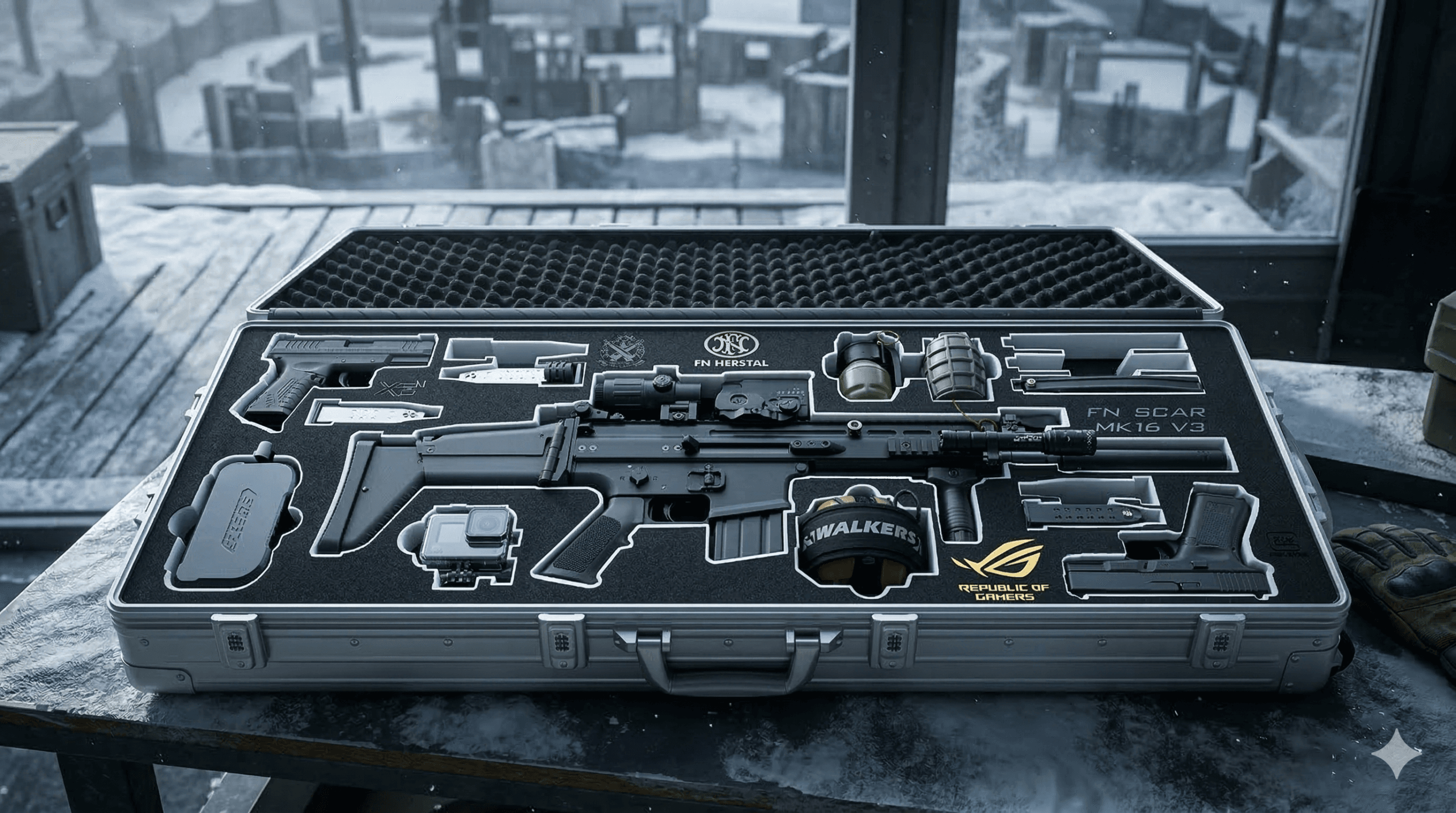
 】
】
 】
】
 儀器防護箱 / 內襯訂製,歡迎私訊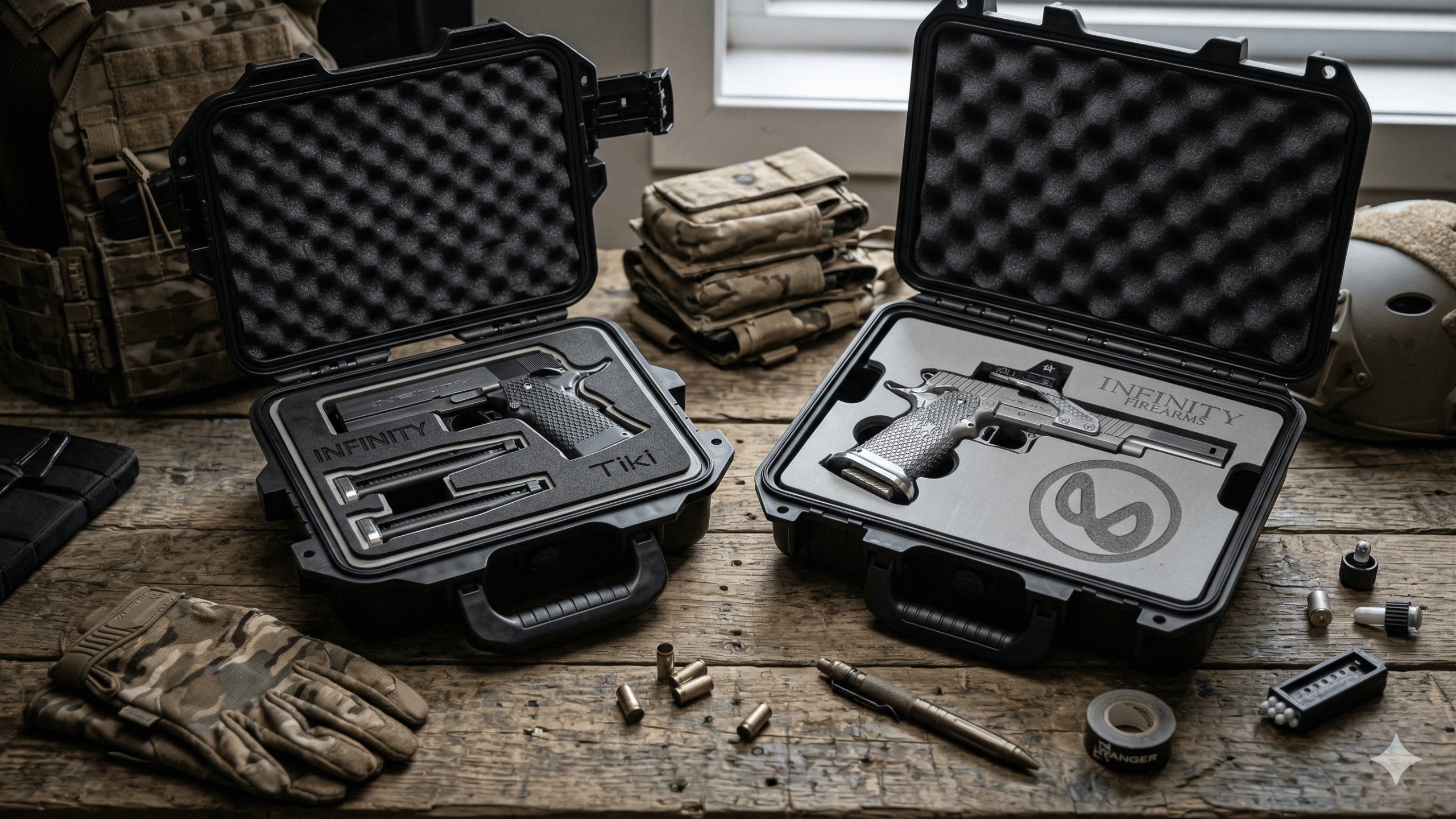
 想要訂製您的專屬配色?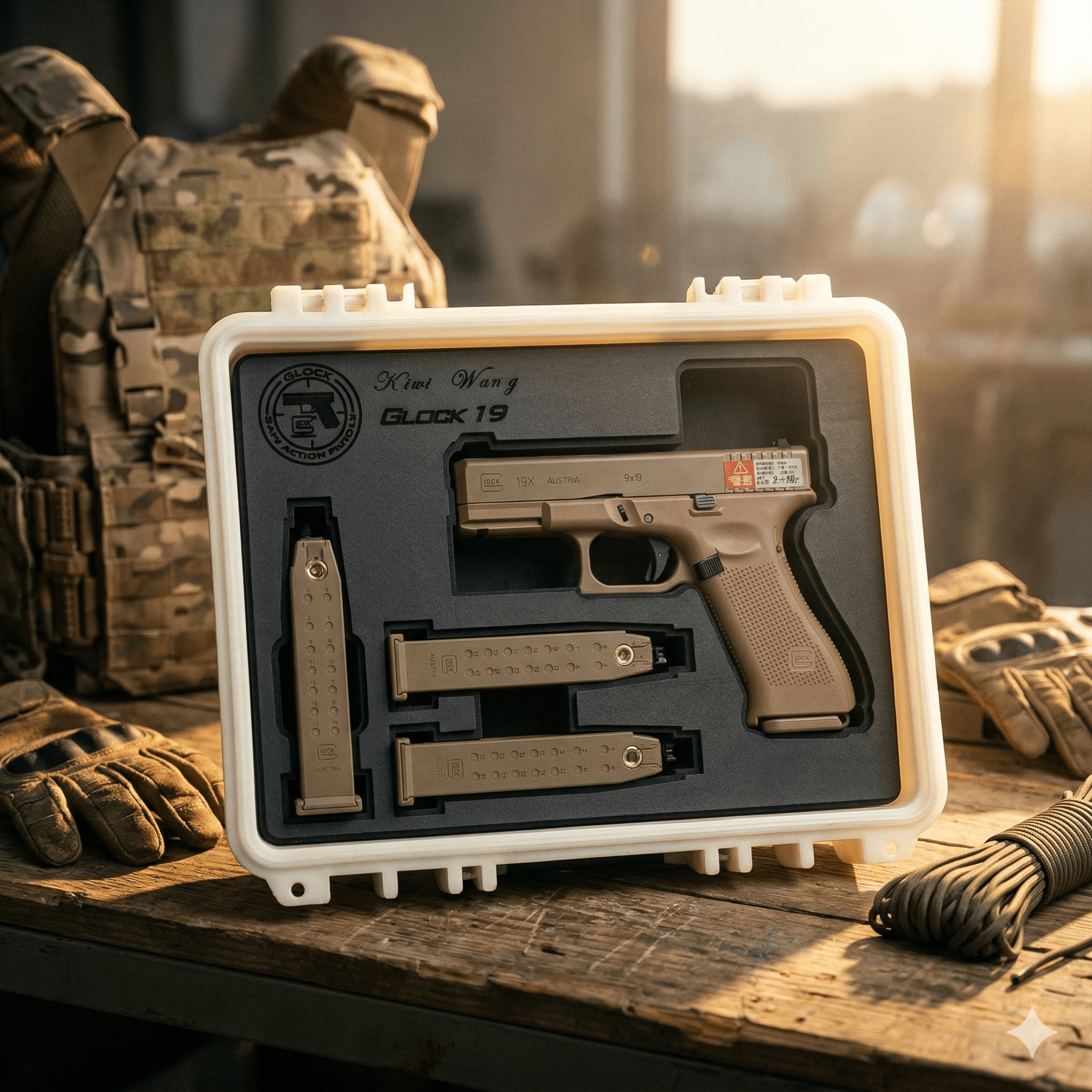
 緊急通知:
緊急通知: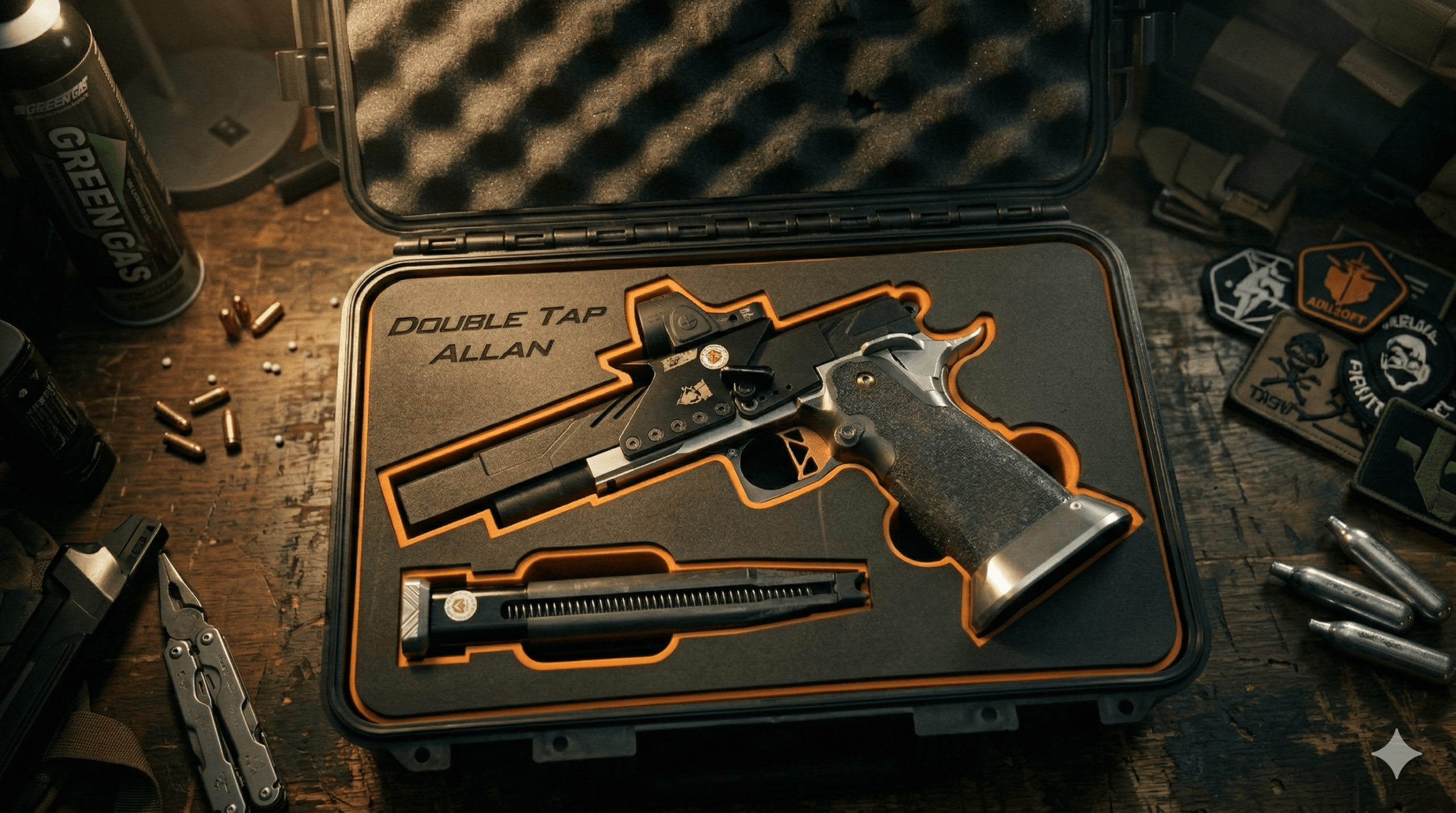

 】
】